
Professional learning programs
Role Models Matter™
- One-hour training
- Online, on-demand
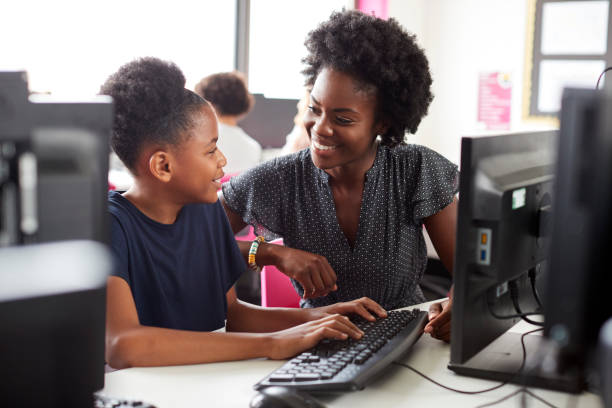
Role models play a critical role in shaping a girl’s STEM identity, interest and aspirations. Although many STEM professionals are well intentioned to share their journey and experience, many don’t quite know how to go about engaging girls in conversation or telling their personal story. To support role models and increase their effectiveness, Techbridge Girls developed the Role Models Matter (™) training program. The training helps role models develop skills to engage girls from marginalized communities through videos, reflection questions and more.
This course is hosted in Circle, Techbridge Girls’ learning platform. When you click Start Course, you’ll be prompted to create a free account. After signing in, you’ll be taken directly to the course and can begin the training right away.
Role Models Matter™ (RMM) has been a Techbridge Girls signature program since 2012. Research shows that exposure to role models increased girls’ interest in STEM and the likelihood that they persist in STEM activities. Exposure to role models involved in STEM f ields has demonstrated power to increase girls’ interest and likelihood to pursue a STEM career. Our curriculum highlights the lineage and heritage of scientists of color, helping girls to see themselves in STEM careers.
Additionally, by training BIPOC STEM professionals at national and global companies to serve as role models, Techbridge Girls is building a robust network of empowered mentorship. We’ve evolved the work to dive deeper into gender and racial equity, helping STEM professionals understand their biases, embrace their STEM identity, and share best practices to engage and encourage youth.
RMM Indicators: Most participants reported an increased understanding of how bias affects youth in educational settings and the ways in which BIPOC girls experience bias within STEM education. Participants learned strategies for developing authentic connections with youth and inspiring a sense of belonging in STEM for BIPOC girls.
I love that each lesson had a role model who was close to the students’ ages for inspiration. As a result, I felt that girls’ confidence was built. Girls believed they could achieve major feats.
Educator from Seaton Elementary in Washington, DC